Sweets & Snacks & Sake
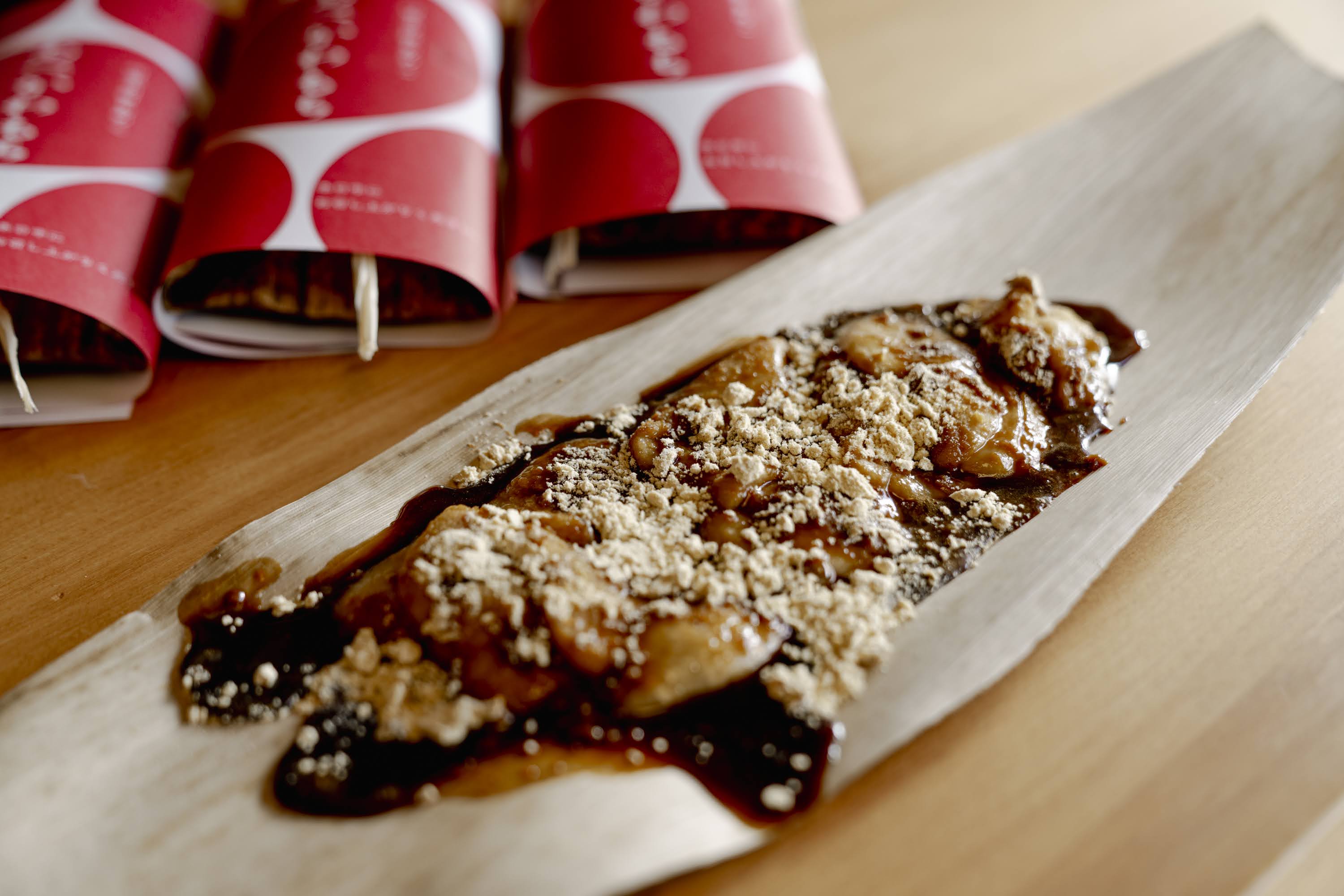
The “Abekawa Mochi,” made by dipping mochi in brown sugar and coating it generously with kinako (roasted soybean flour), is one of Fukui Prefecture’s specialties.
As a Doyo Mochi for summer and a familiar snack, it is a Japanese confectionery loved by a wide range of generations for a long time.
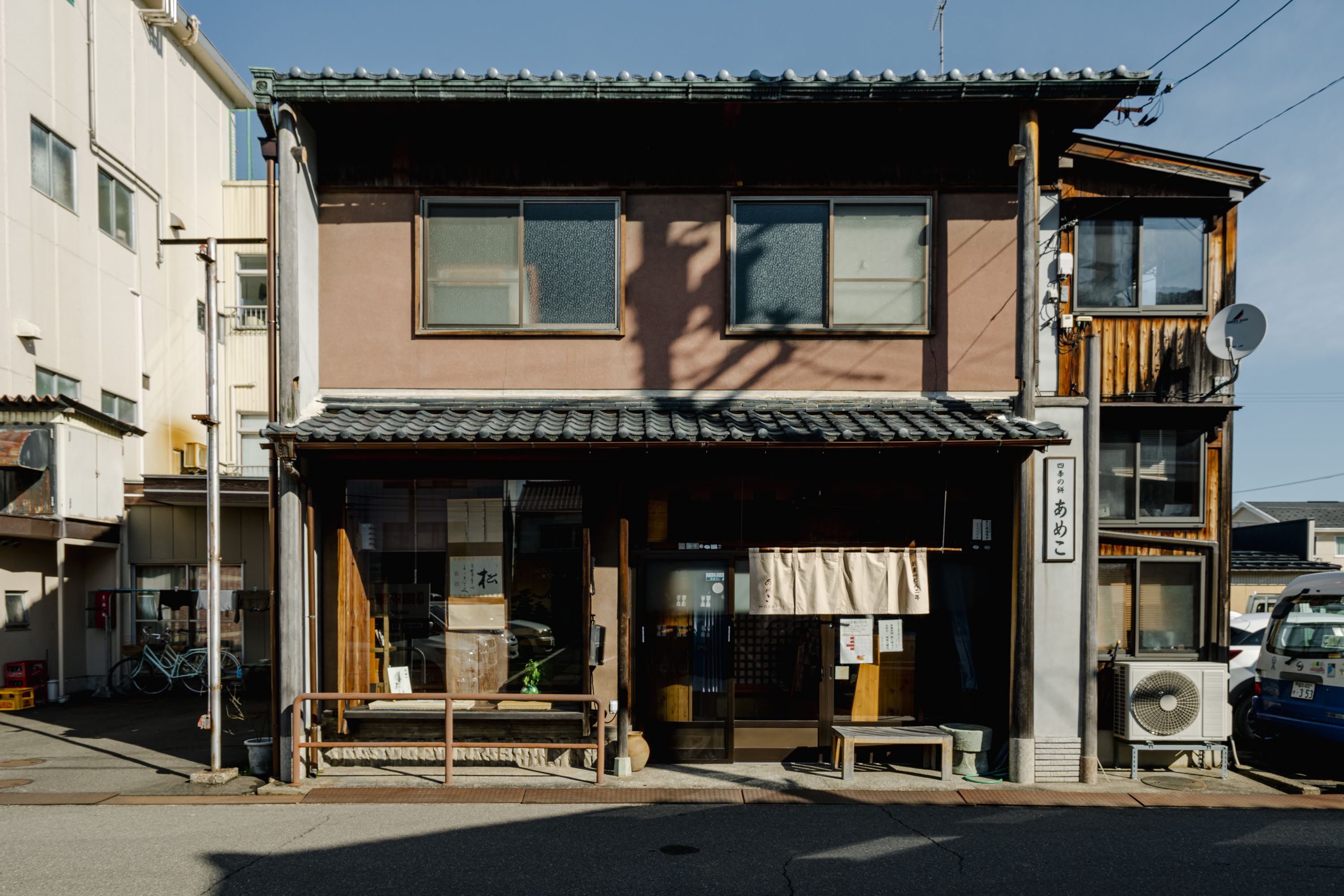
“Shiki no Mochi Ameko,” located in “Kokufu,” Echizen City, is a long-established Japanese confectionery shop founded in 1782.
The “Abekawa Mochi,” wrapped in bamboo sheath, is Ameko’s classic flavor, and many customers purchase it every day right after opening.
The mochi, with the rich aroma of kinako gently wafting and the deep flavor of brown sugar, is astonishingly smooth and soft.
Since no additives are used, it is recommended to eat it fresh.
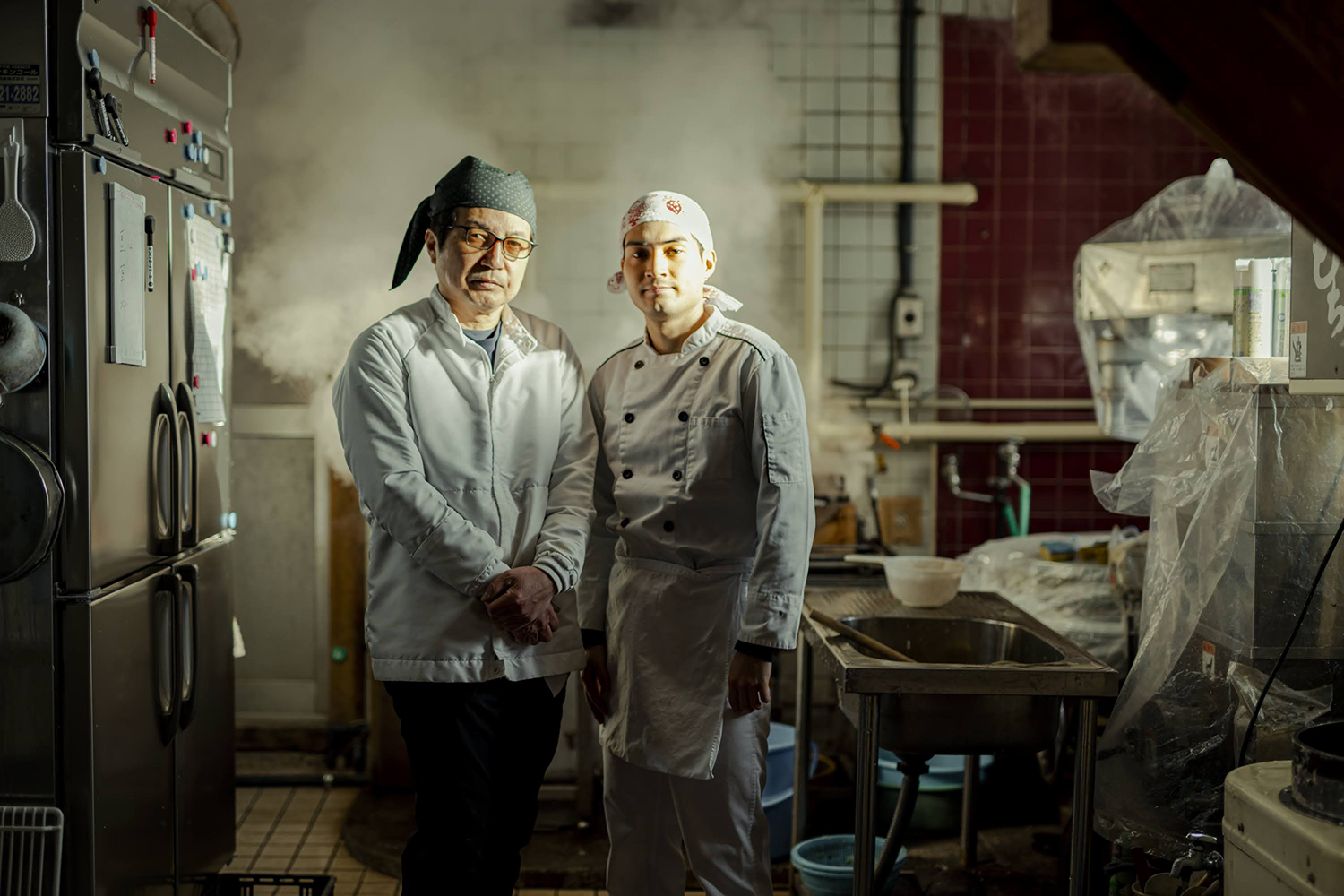
The shop is run by the 12th-generation Takeshi Watanabe and his second son, Jun.
Takeshi Watanabe worked as a salaried employee in Japan and the United States, but a few years ago, he took over the shop from the previous generation.
“Since I was a child, I was called ‘Ameko’s son,’ and even as a young boy, I felt that it was a shop loved by the local community.
I had always had the family business in mind, but I couldn’t quite make up my mind.
Encouraged by our customers and those around me, I decided to keep this shop,” says Takeshi Watanabe.
Seeing his father’s example, his son Jun also followed the same path, starting in April 2019 after graduating from university and gaining experience as a hotel staff member.
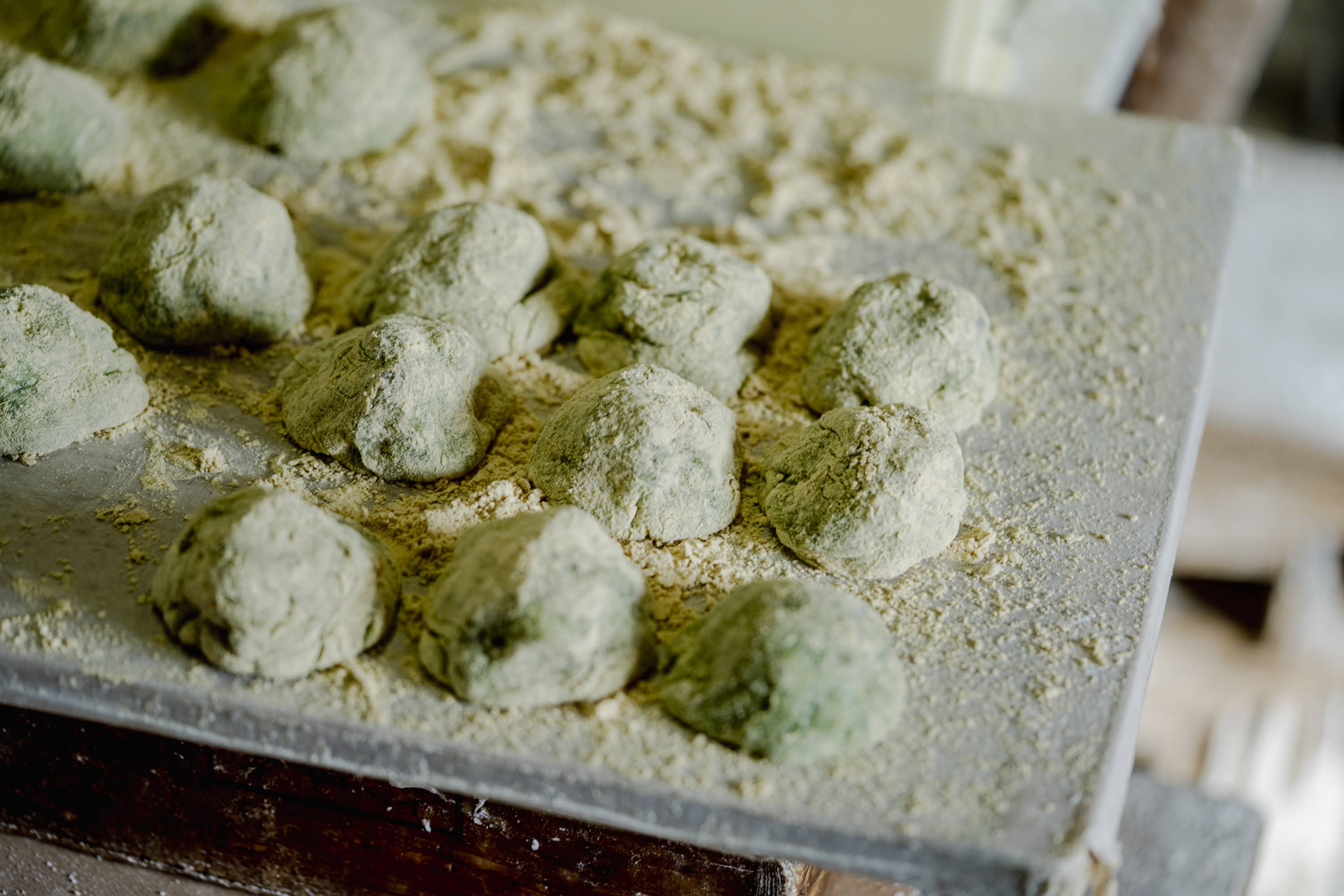
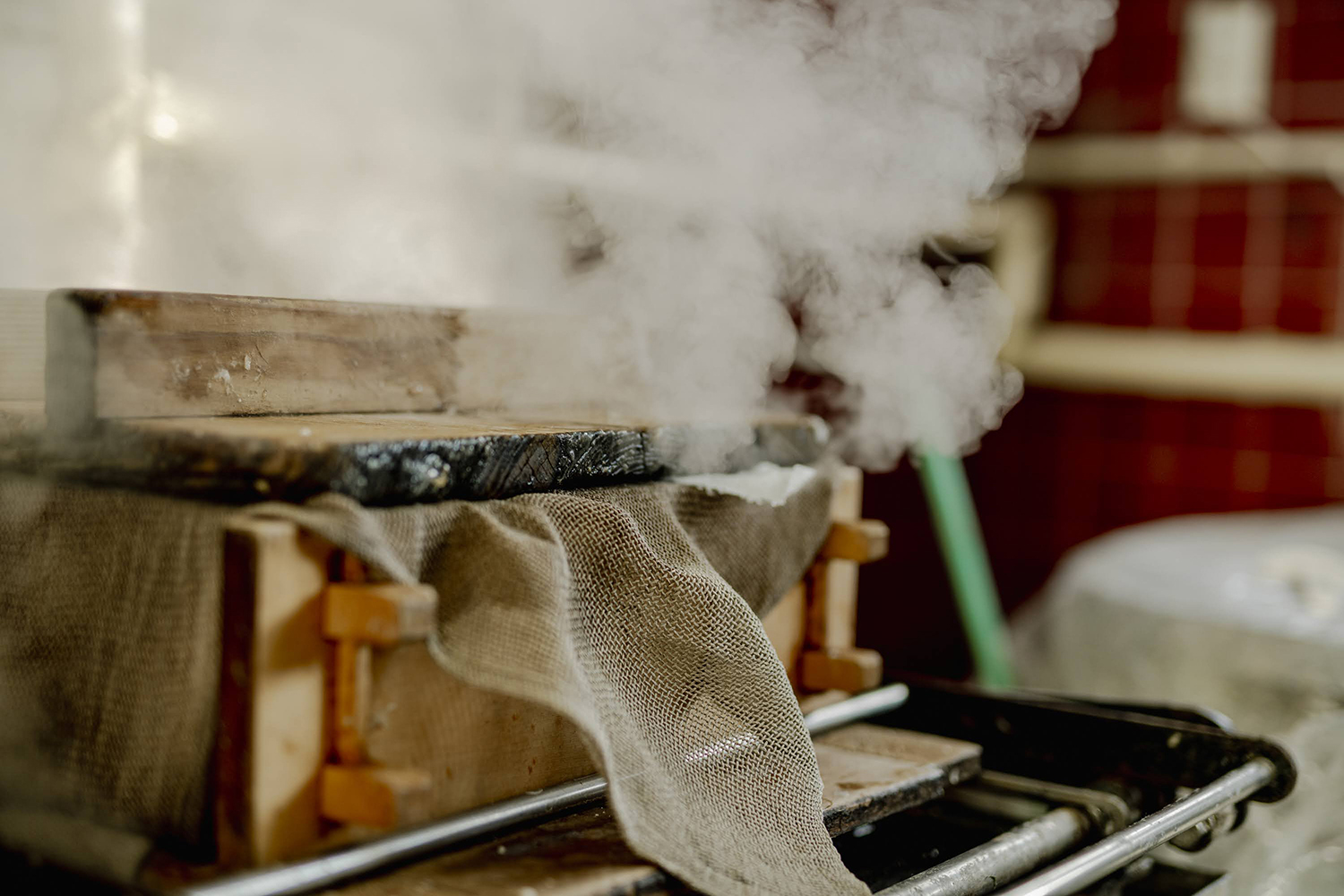
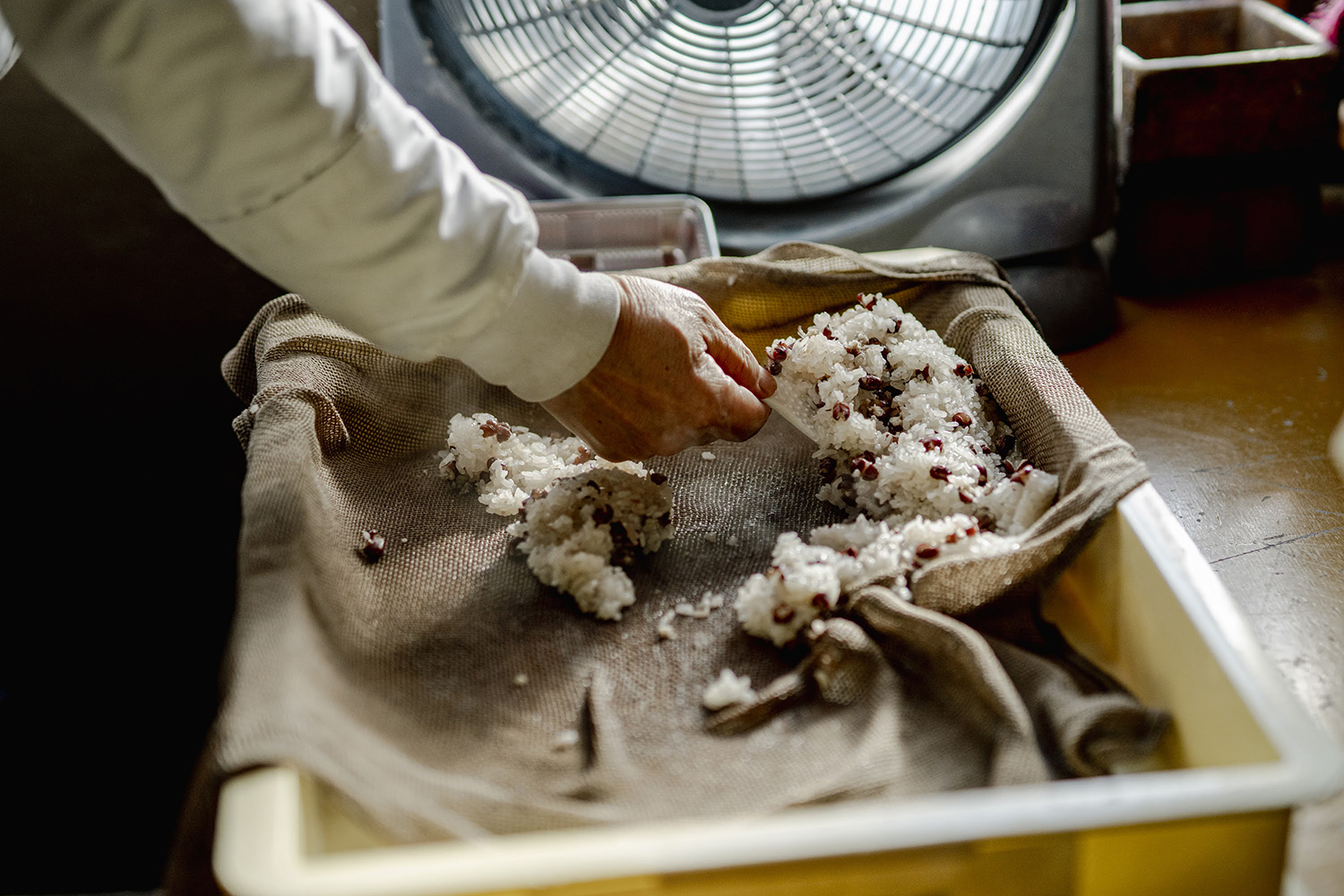
The daily preparations start early in the morning, and by around 7 a.m., the pleasant aroma of steamed glutinous rice fills the shop.
“Mochi may seem simple, but it has great depth and cannot be faked,” says Takeshi Watanabe.
The secret to soft mochi lies in the exquisite balance of moisture and pounding as much and as quickly as possible in a short time.
If the moisture is too low, the mochi becomes hard, and if it is too high, the quality quickly deteriorates.
They carefully observe the changes in temperature and humidity that vary with the seasons and from day to day, making subtle changes to the steaming time and adjusting the amount of water, never failing to keep the mochi delicious for as long as possible.
Recently, Jun has taken on the responsibility of making Abekawa Mochi, focusing on “always producing the same quality” and continuing to refine his methods through trial and error.
The “Abekawa Mochi” of Ameko, passed down through generations.
Meanwhile, under Takeshi Watanabe’s generation, they have also started new challenges, such as increasing the variety of products and experimenting with different methods of making red bean paste.
“I want to develop the business as a mochi shop,” says Jun, who is also considering expanding outside the prefecture.
The day is near when the flavors of Ameko, a pride of Echizen, will reach people all across Japan.