Sightseeing Spots
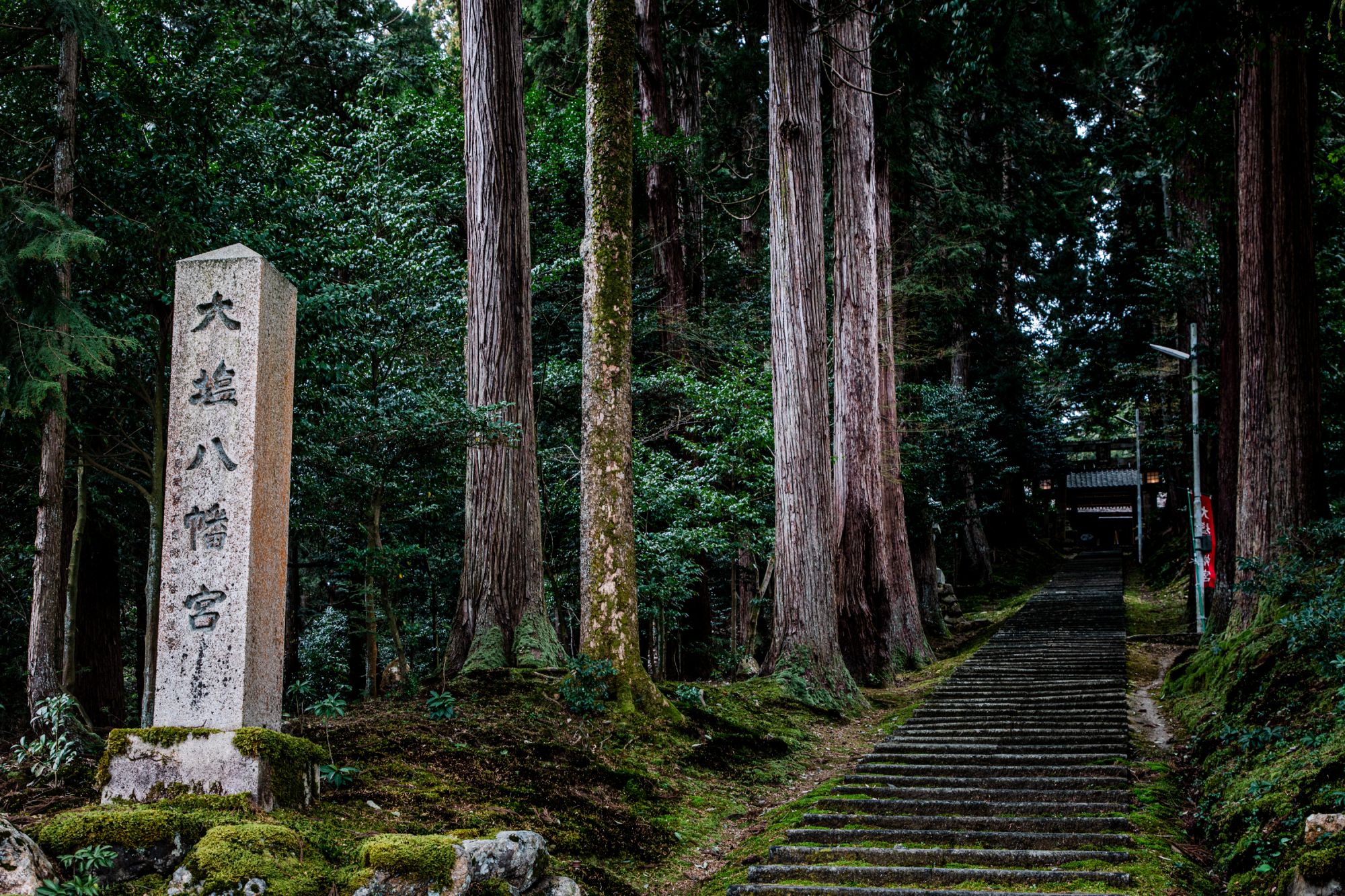
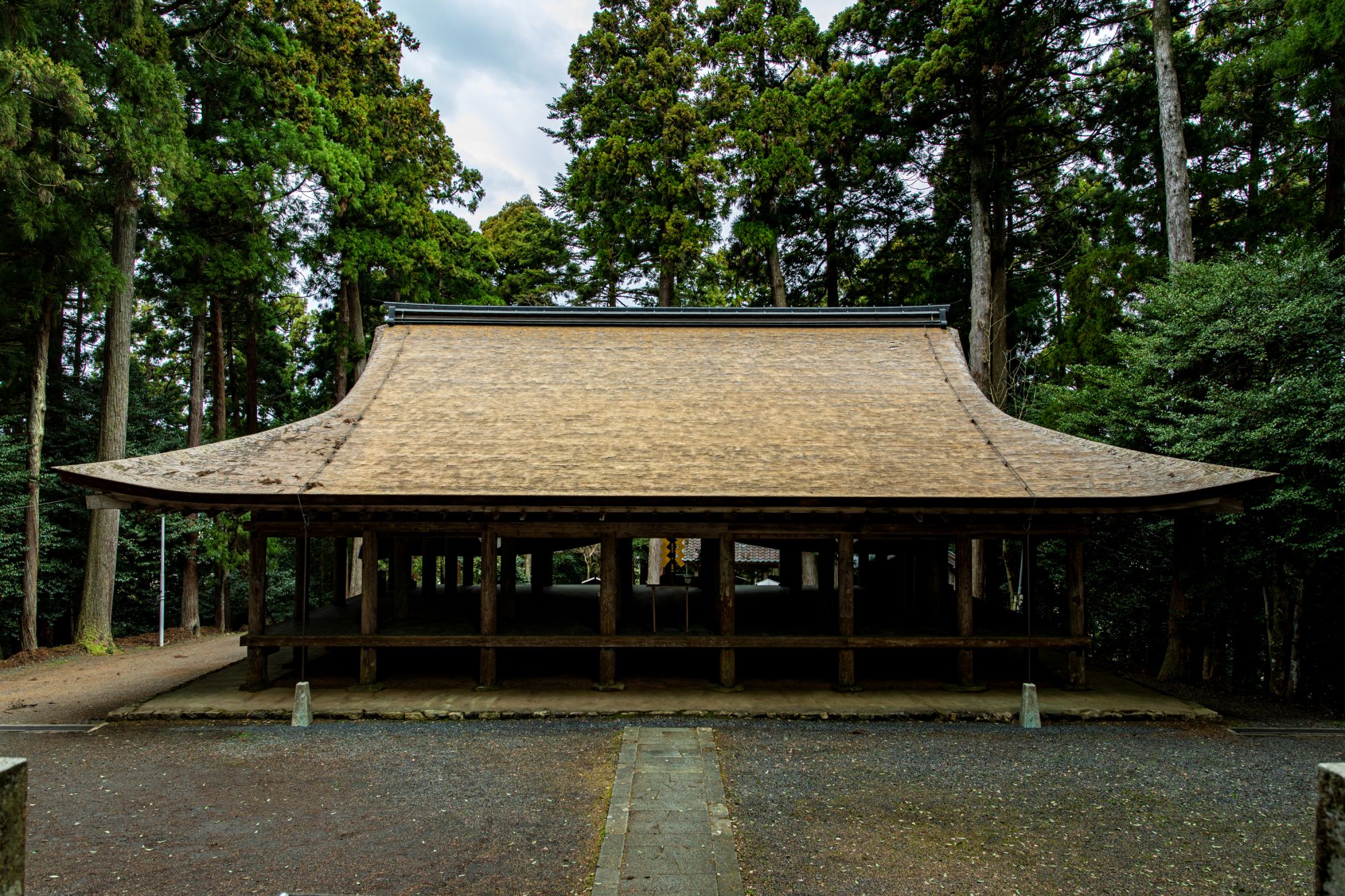
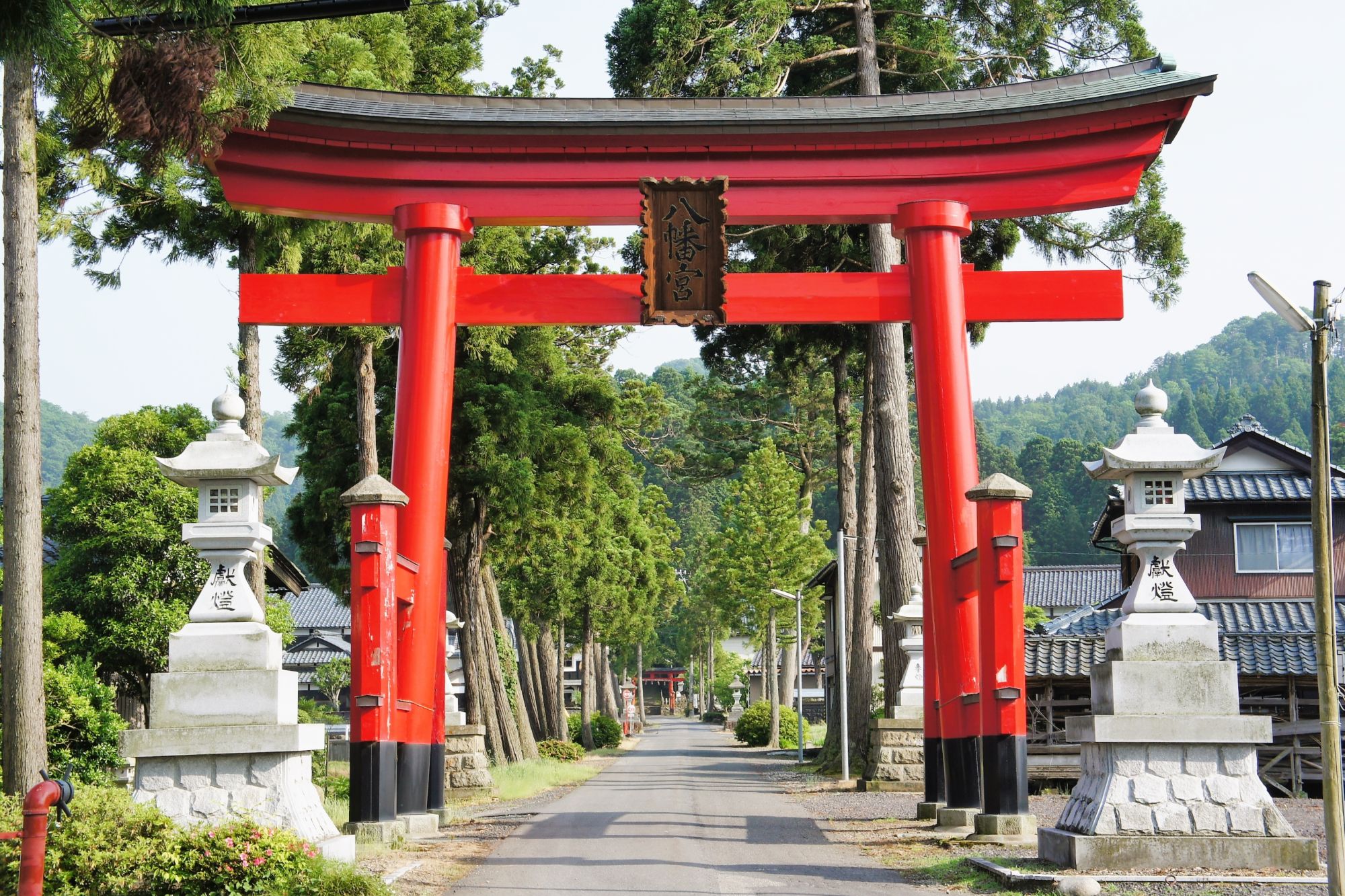
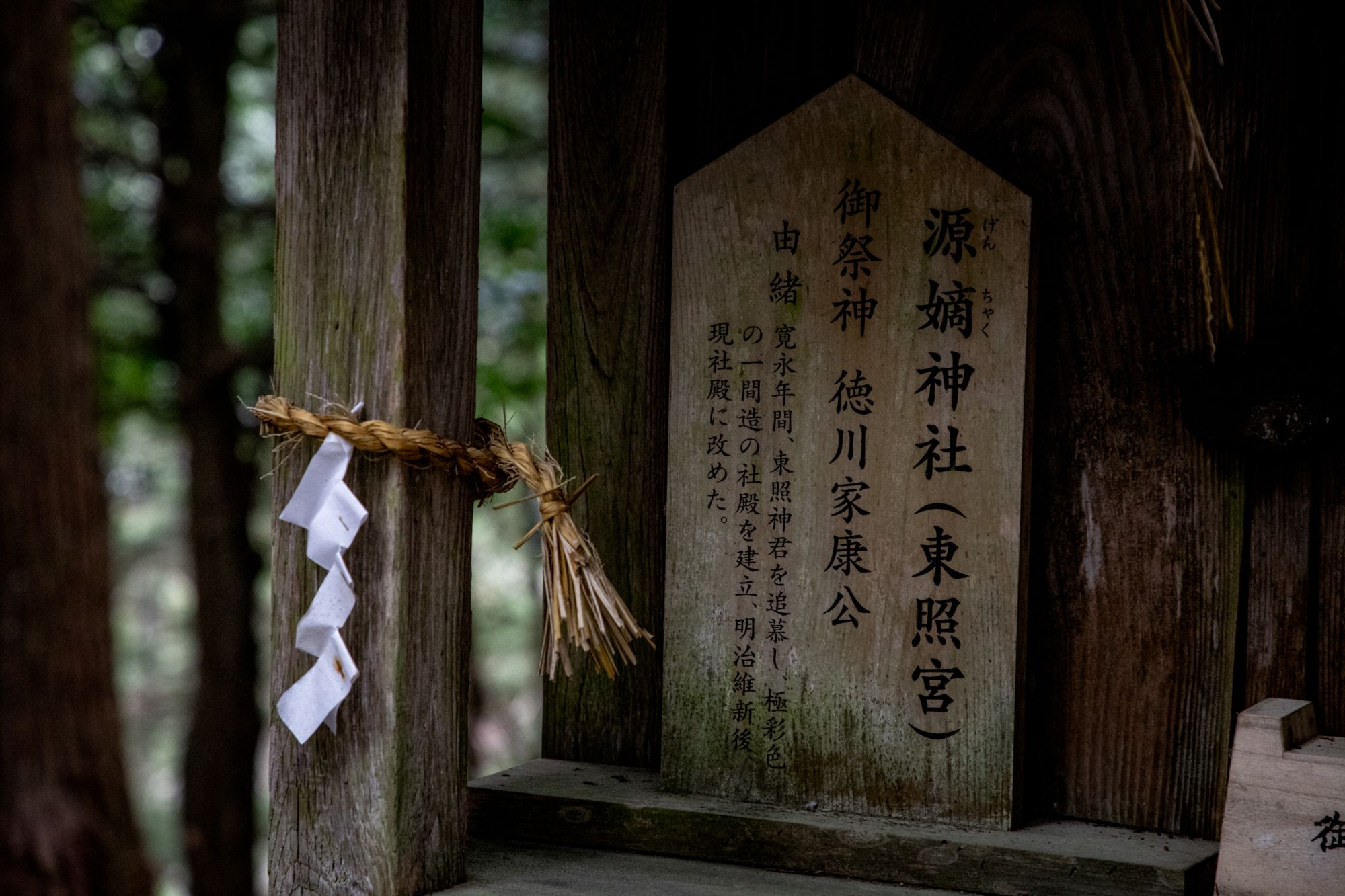
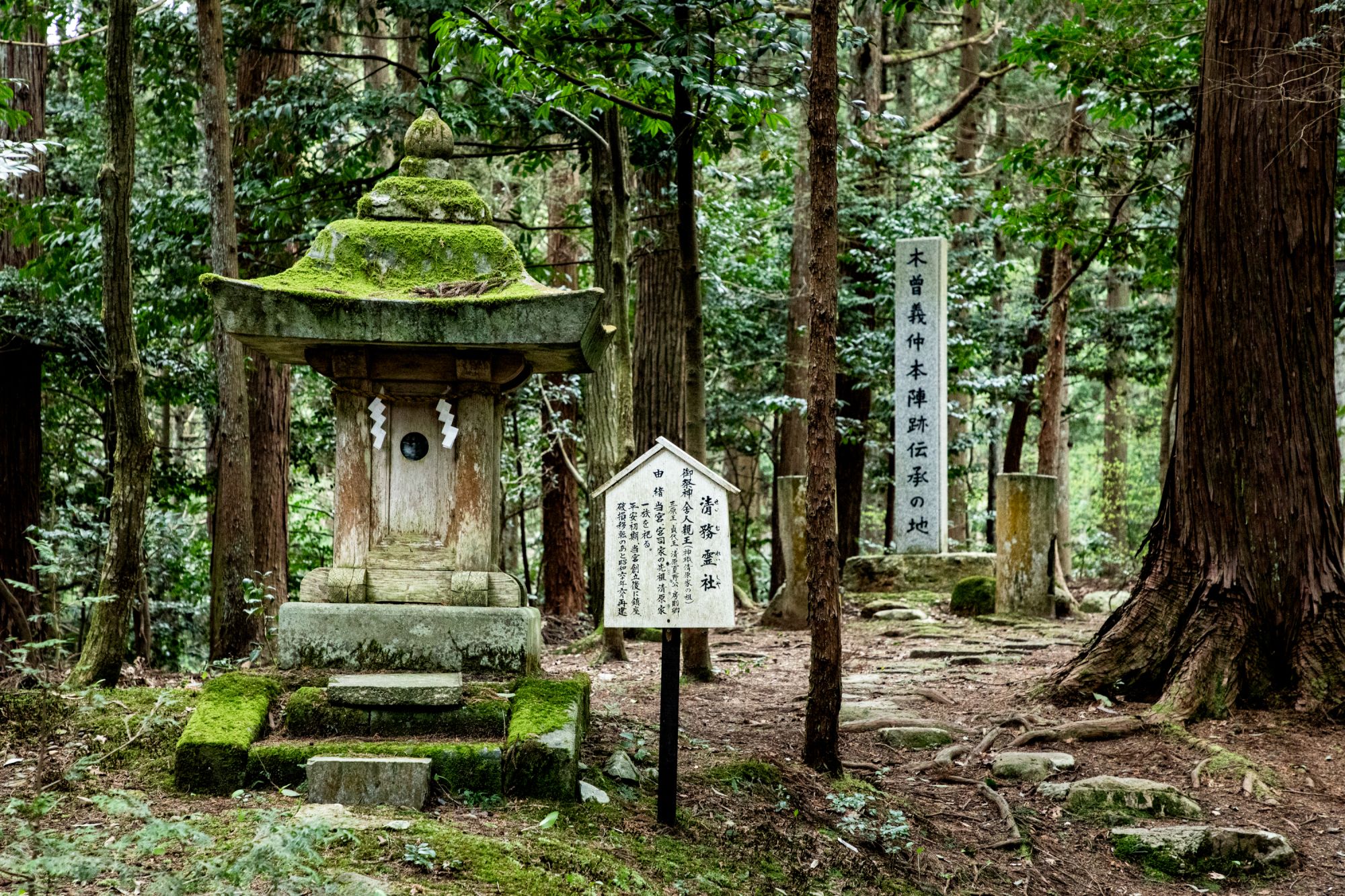
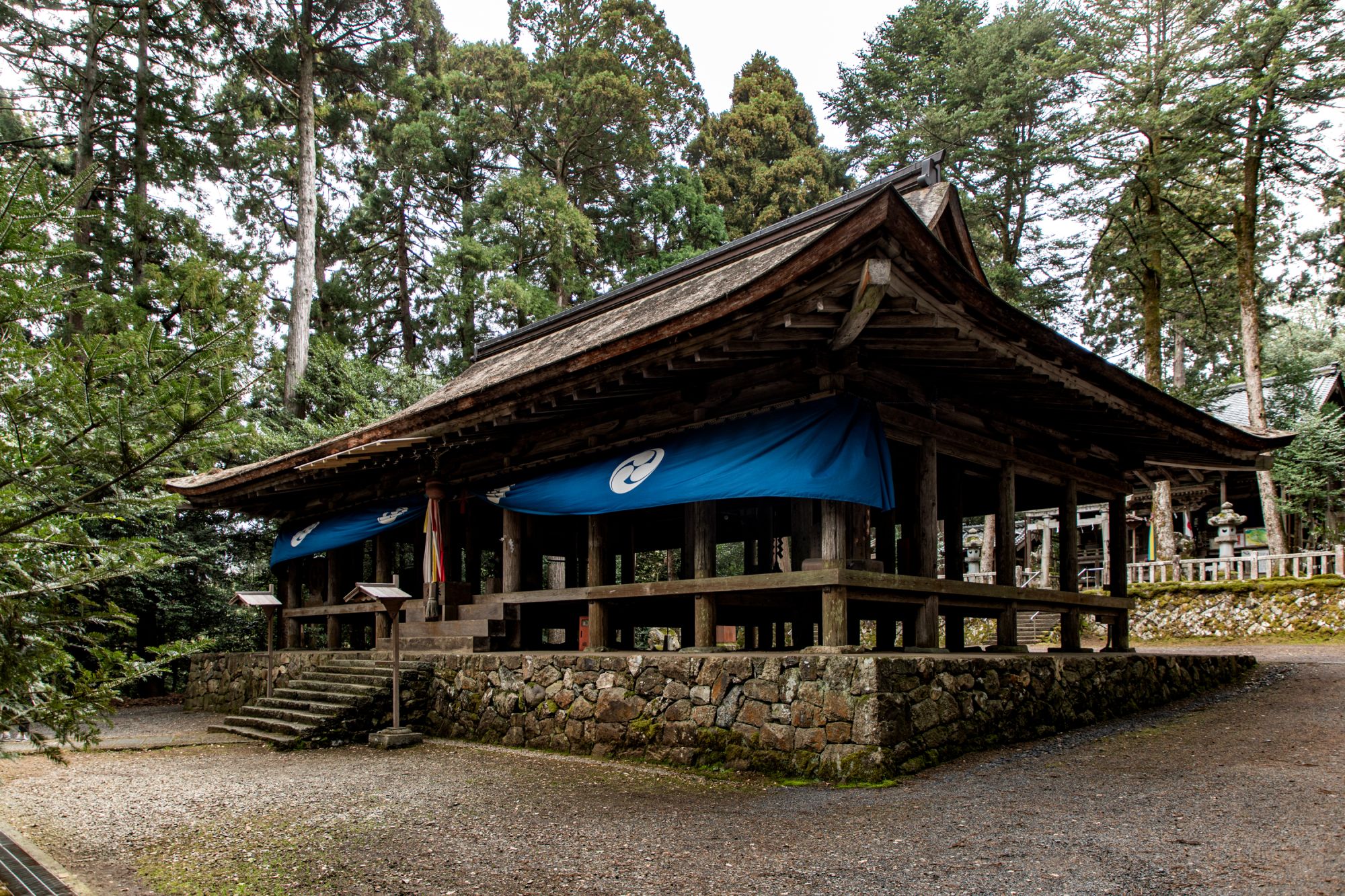
In the 3rd year of Ninna (887), Chūnagon Ki Tomonaka, who had been exiled to Echizen, designated this place as a site of prayer in order to clear himself of false charges. He continued his prayers here, and was eventually pardoned and allowed to return to the capital. Out of gratitude, he built the shrine buildings, which is said to be the origin of the shrine. The worship hall, which is designated as an Important Cultural Property of Japan, boasts a size unparalleled in the Hokuriku region. Through restoration work in 1981 (Shōwa 56), it was returned to its original form at the time of construction: an irimoya-style structure with wooden shingle roofing and open sides on all four directions. Within the shrine grounds, in addition to the main hall, there are six other shrines, among which the Juō Shrine, dedicated to the god of smallpox, is particularly well known. The shrine houses many cultural properties, including a temple bell cast during the Nanboku-chō period, making it a site with many points of interest.
.jpg)